
Journey through Arab cultural heritage
Historical foundations
How civilizations shaped our world
From ancient trade routes of the desert to the bustling centers of knowledge, history reveals profound transformations. Empires rose to connect distant lands through commerce.
Caravans traversing the Silk Road connected distant empires, facilitating an exchange of goods and ideas that sparked a Golden Age. Scholars in Baghdad and Cordoba preserved ancient wisdom while innovating in science and mathematics, creating a foundation that would influence the Renaissance. This era fostered a unique synthesis of diverse cultures, where philosophy, astronomy, and medicine flourished under the patronage of caliphs, shaping the modern world through intellect and discovery.

Discovering the Maghreb coastal region
The Atlas Mountains shield fertile valleys where Amazigh traditions blend with Mediterranean influences across vibrant cities. Ancient medinas preserve architectural marvels and social customs.

Fertile Crescent: cradle of civilization
River valleys of the Tigris and Euphrates served as the cradle of civilization and early agriculture. Urban centers here have been continuously inhabited for millennia.

Vast deserts of the Arabian Peninsula
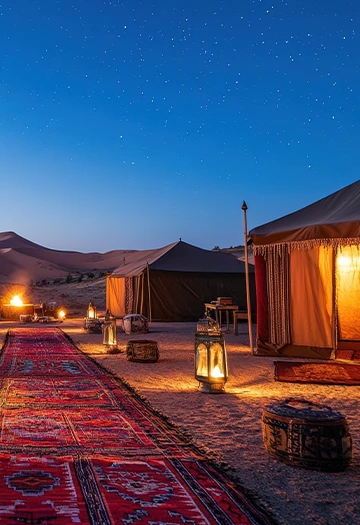
Vast deserts and ancient trade hubs witness the birth of traditions amidst shifting sands and oases. Bedouin resilience forged a culture of poetry and navigation.
Linguistic art
Spoken word and its enduring power
Classical Arabic and its eloquent tradition
Pre-Islamic poets hung their verses on the Kaaba, celebrating valor and love with intricate meters. This oral tradition evolved into a sophisticated literary canon where storytelling, exemplified by One Thousand and One Nights, weaves fantasy with social commentary. The language itself acts as a unifying vessel, preserving the collective memory of diverse generations while adapting to express complex modern emotions through vast and precise vocabulary.
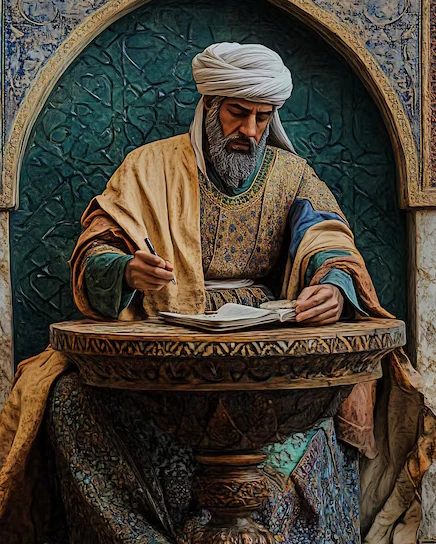
Script becomes visual art as Kufic and Naskh styles adorn monuments with spiritual geometry. Master calligraphers train for years to perfect the curvature of letters, transforming written communication into divine aesthetic expression. These inscriptions decorate manuscripts, ceramics, and architectural facades with flowing elegance, turning walls into books that speak of history and faith without uttering a sound, merging meaning with absolute beauty.
Artistic mastery
Blending architecture with musical harmony
Intricate geometric patterns and arabesques cover palace walls, reflecting an infinite universe through mathematical precision. Craftsmen carve stucco and wood to create plays of light and shadow.
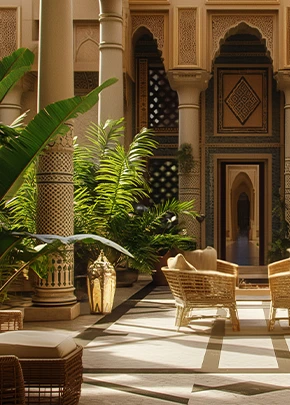
In the courtyard of a traditional riad, the sound of water fountains harmonizes with melodic scales of the Oud. Musicians explore the Maqam system to evoke deep emotions, utilizing quarter tones that western scales cannot capture. Architects utilize light and shadow to create spiritual sanctuaries where physical structure encourages contemplation. From the blue tiles of Isfahan to the horseshoe arches of Andalusia, artistic expression fuses function with spiritual beauty. These spaces invite community gathering, while intricate mosaics serve as a reminder of unity in multiplicity. Every element, from the weaving of a carpet to the dome of a mosque, tells a story of patience, devotion, and unparalleled attention to detail.
Daily customs
Why hospitality defines social rhythms
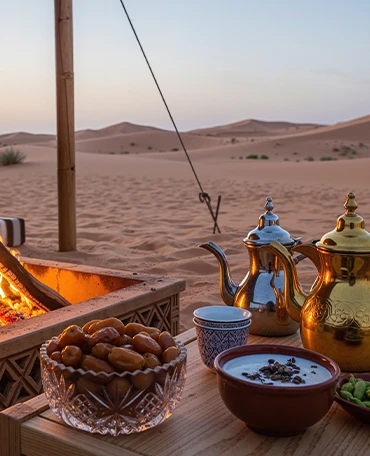
Guests entering a home receive warm welcomes accompanied by aromatic coffee and dates, symbolizing generosity. This ritual honors the visitor above all else.
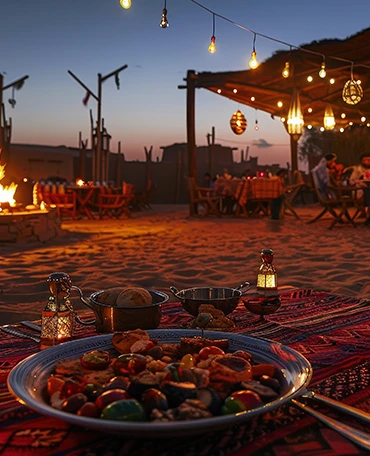
Shared platters of spiced lamb and couscous symbolize unity and generosity during festive gatherings. Tea preparation is a ritual in itself, poured from a height to create froth, serving as a catalyst for conversation. These enduring customs reinforce social bonds, ensuring that every visitor feels treated as a member of the family. Communal meals act as the heartbeat of daily life, where elders pass down wisdom and stories to younger generation.

Modern dynamics
Identity evolving within modern society
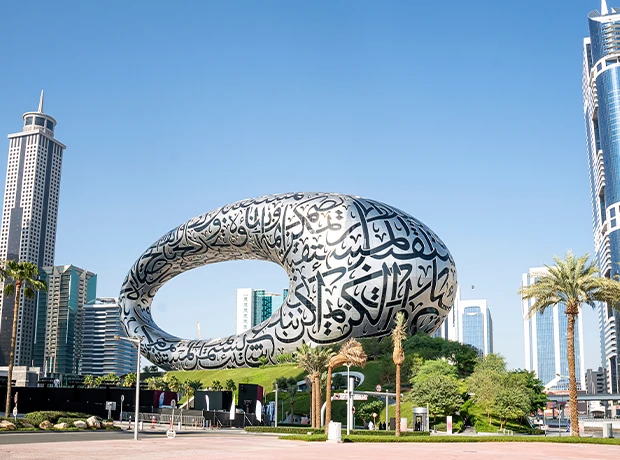
Urban centers expand rapidly, blending glass skyscrapers with historic old towns in a visual dialogue. This duality reflects a society embracing the future.
While extended family remains the cornerstone of social structure, younger generations navigate the intersection of global connectivity and local heritage. Education and digital media foster new dialogues about identity, allowing ancient values of honor and kinship to adapt meaningfully. Women and men alike contribute to a transforming workforce, reshaping the economic landscape while maintaining deep respect for the cultural lineage that defines their collective character in the twenty-first century.
Scientific legacy
Scientific thought and its lasting legacy
Medical science and its advancements
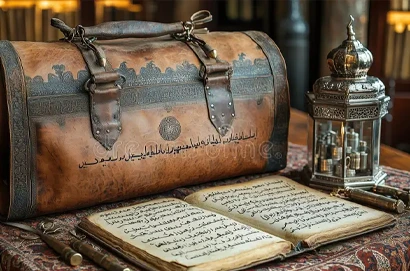
Physicians documented symptoms and treatments in encyclopedias that served European universities for centuries. They established hospitals with specialized wards for holistic patient care.

Contributions to algebra and mathematics
Scholars introduced zero and decimal systems, revolutionizing calculation and enabling complex architectural engineering. These abstract concepts laid the groundwork for modern computing.
Mastering astronomy and navigation techniques
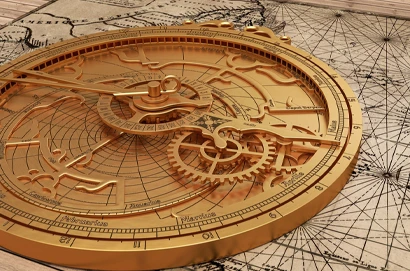
Astrolabes refined by scientists allowed precise navigation across deserts and oceans by the stars. Observatories mapped the heavens with unprecedented accuracy and detail.
Enduring impact
Building bridges between historical eras
The intellectual and cultural currents flowing from this region have permanently dyed the fabric of human history. By preserving Greek philosophy and pioneering experimental science, Arab thinkers built a bridge that allowed knowledge to cross continents. Today, this legacy continues to inspire art, science, and intercultural dialogue across the globe.
Preserving wisdom across generations
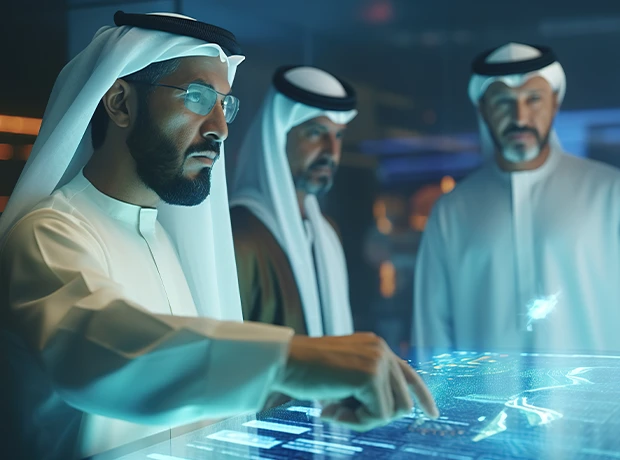
Scientific innovation and discovery